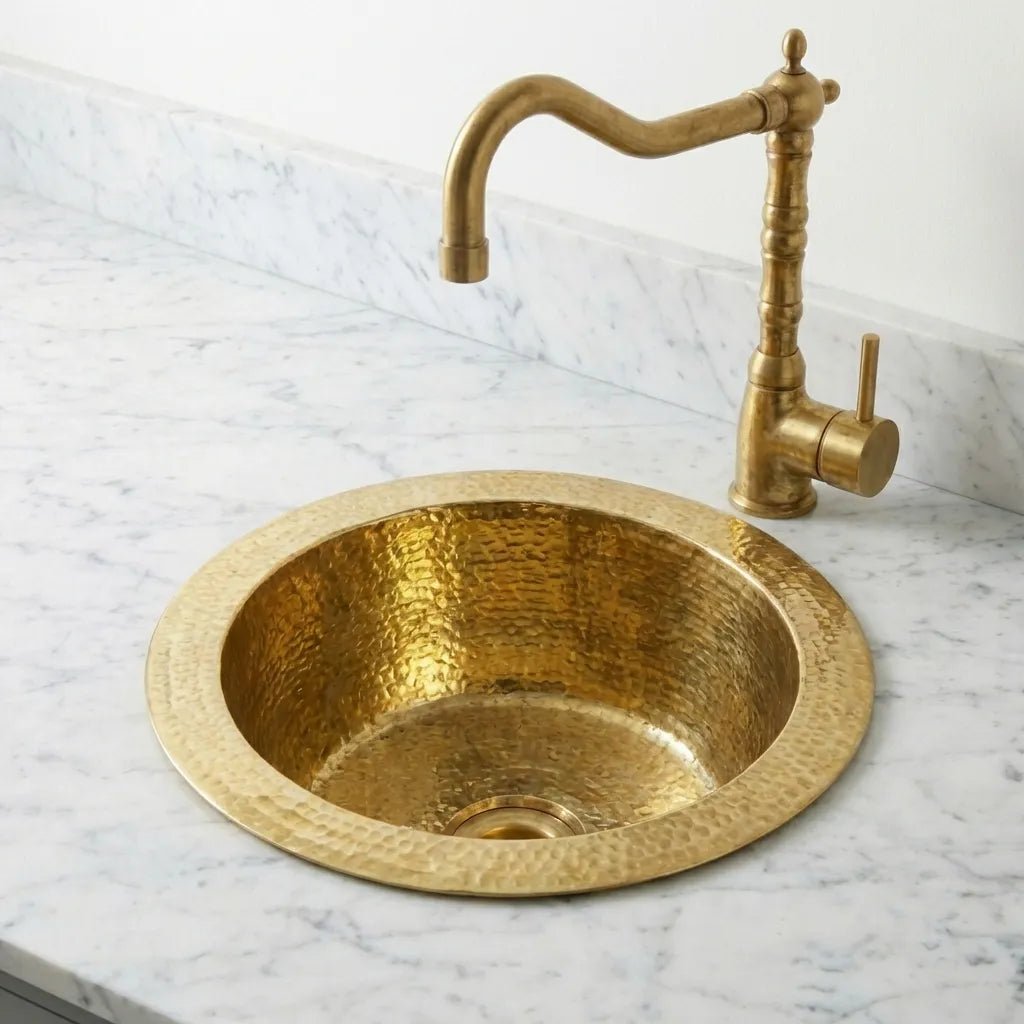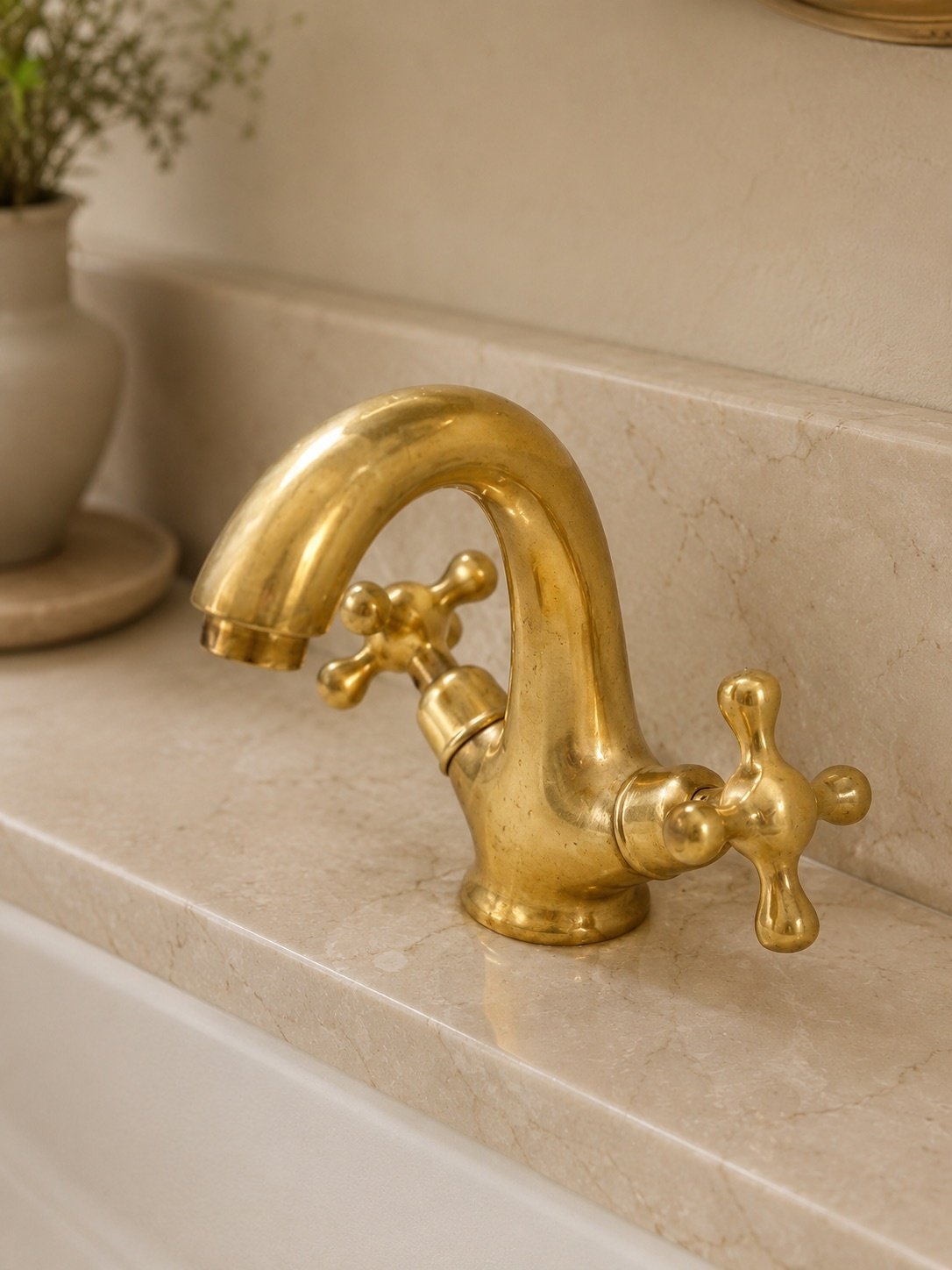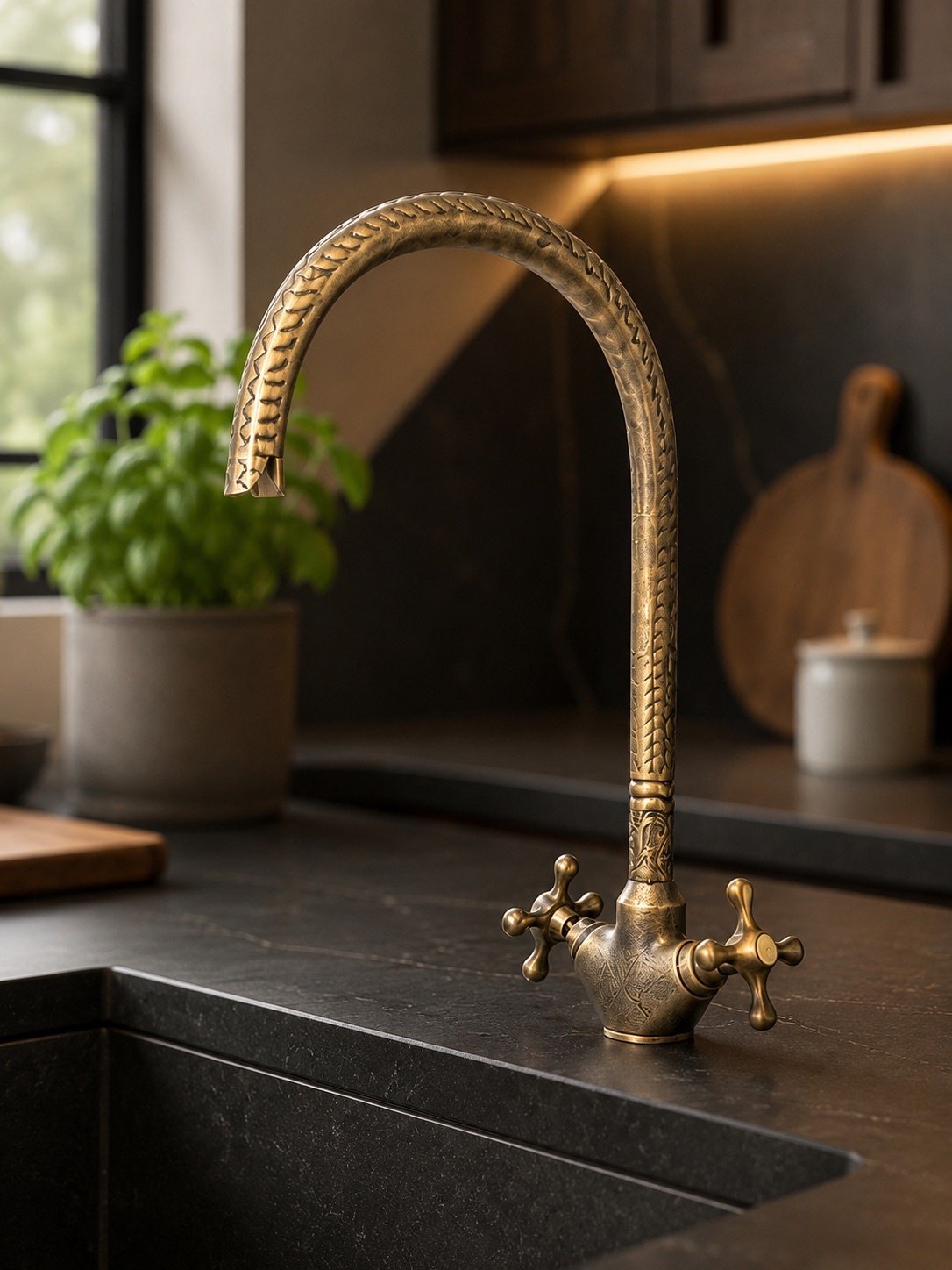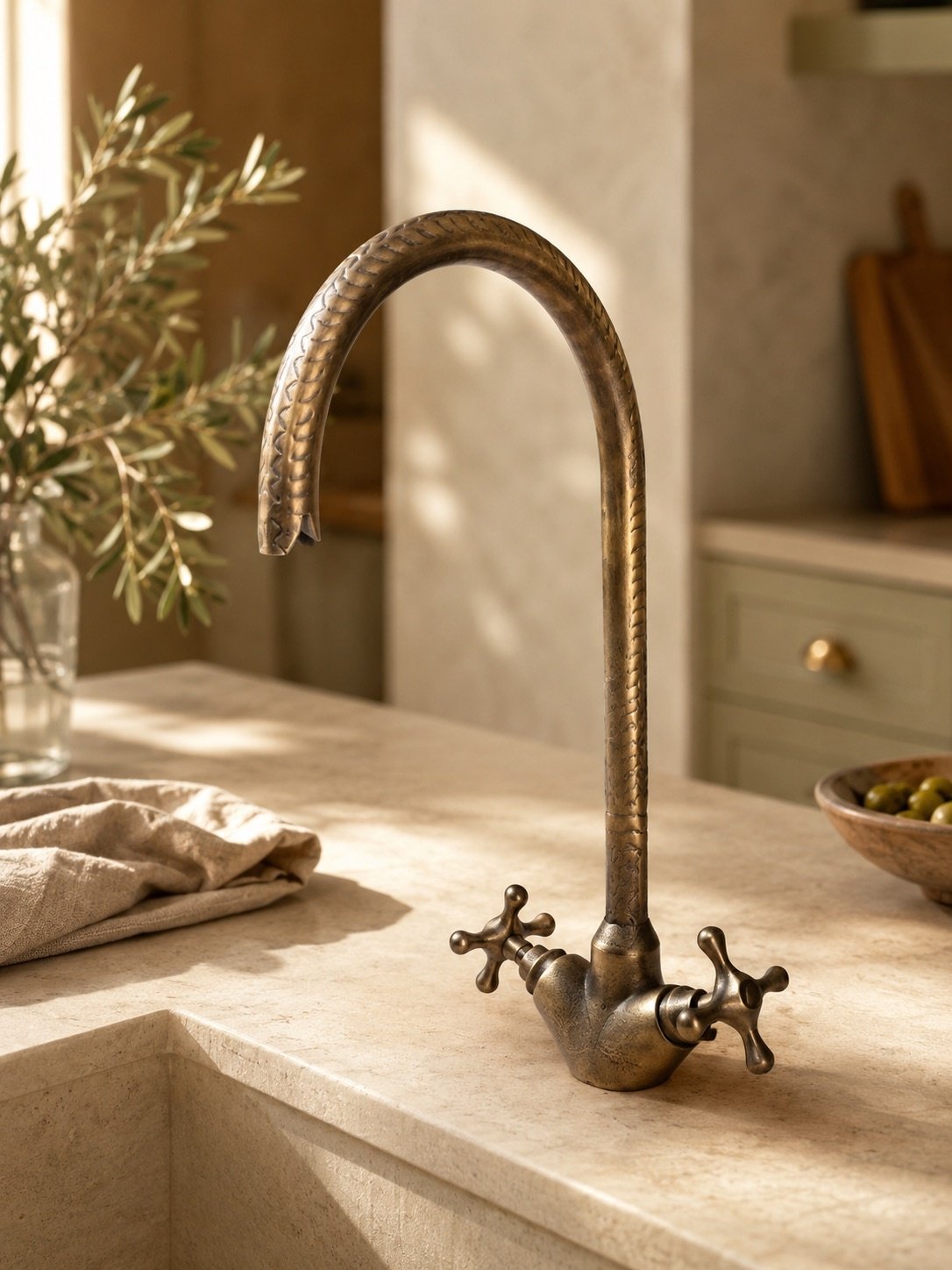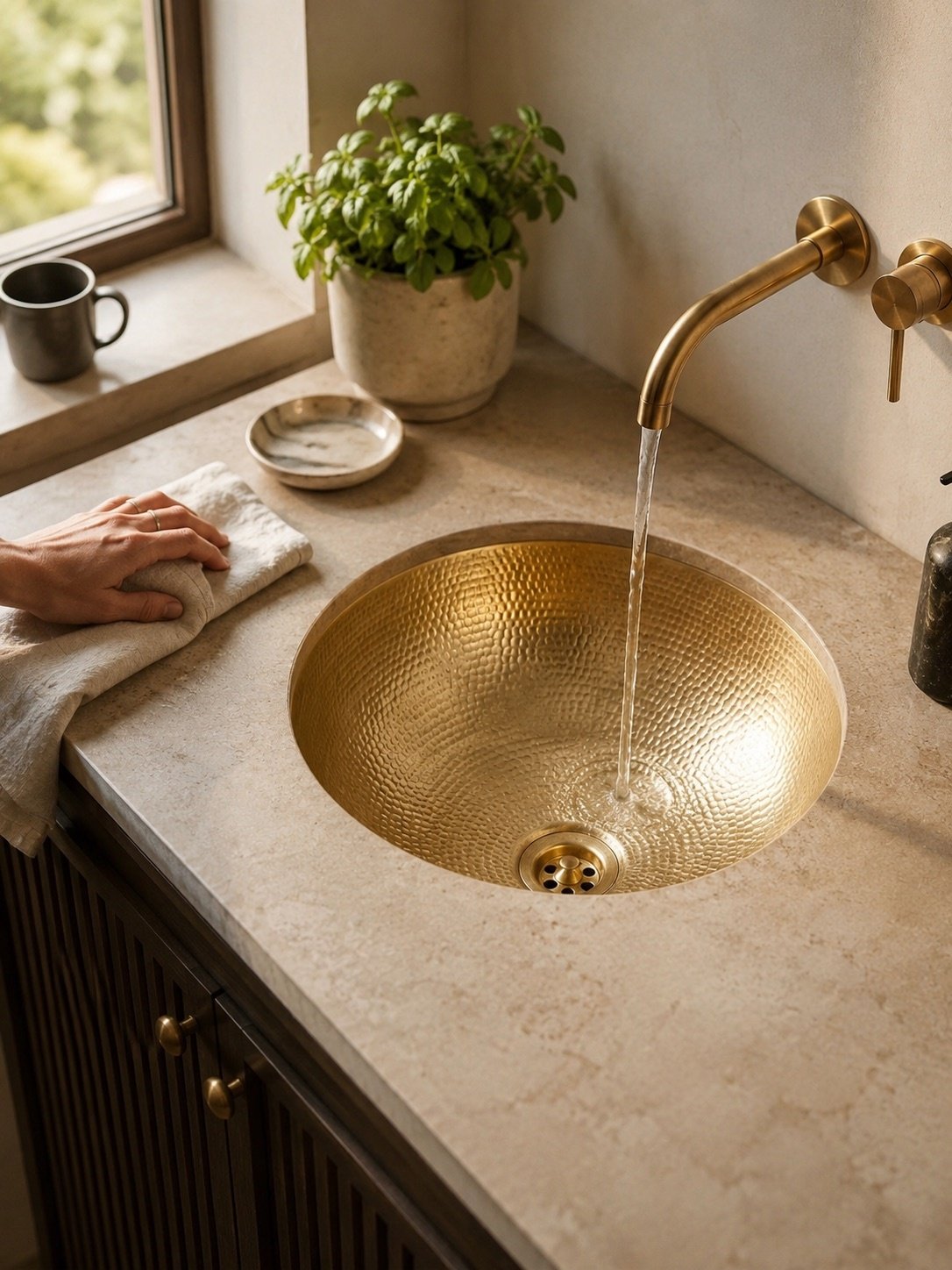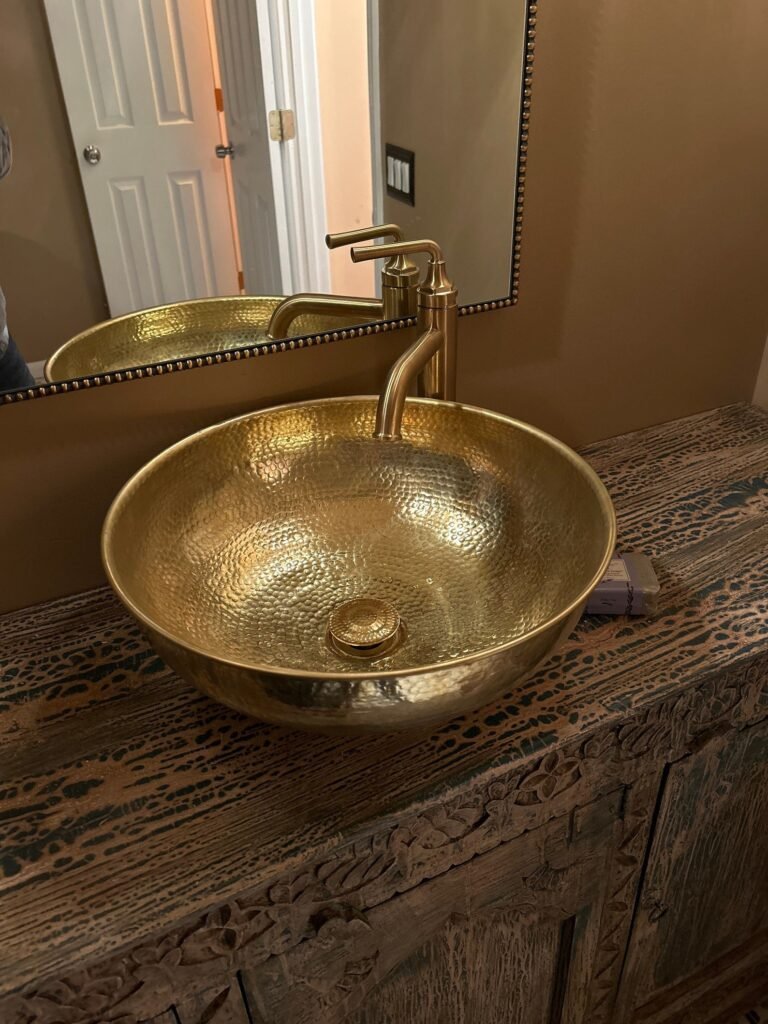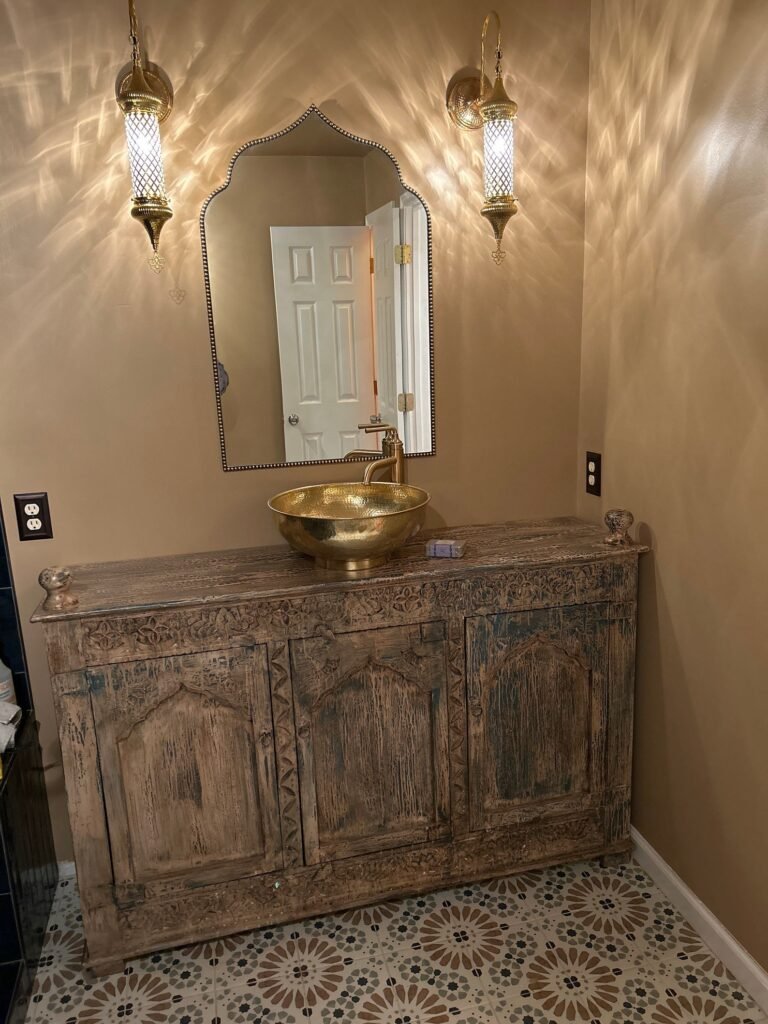
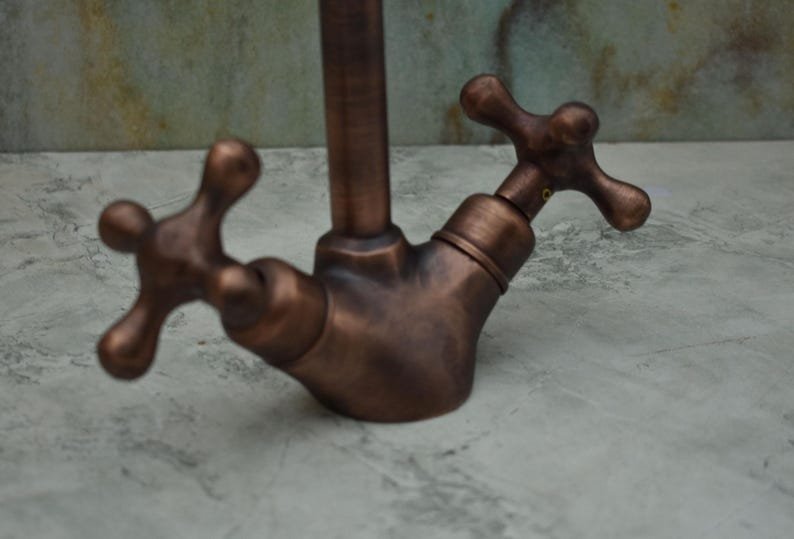
Handmade brass faucet paired with an artisan Moroccan bathroom sink

Best Brass Faucets for Handmade Sinks | Buyer Guide

Best Brass Faucets for Handmade Sinks: A Buyer’s Guide

A handmade sink deserves a faucet chosen with the same attention to material, proportion, and craftsmanship. The best brass faucets for handmade sinks should complement the basin visually while providing the correct height, reach, water flow, and mounting configuration.

Whether you are designing a bathroom vanity, kitchen, wet bar, powder room, or boutique hospitality space, brass offers warmth and character that work beautifully with ceramic, copper, stone, and solid brass sinks. It is especially attractive when paired with handmade Moroccan pieces, where small artisanal variations are part of the design.

This guide explains how to compare faucet styles, finishes, measurements, care requirements, and custom options before placing an order.

Find a Faucet That Complements Your Sink

Explore our handmade brass faucet collection for bathroom, kitchen, vessel sink, wet bar, and wall-mounted applications.Best Brass Faucets for Handmade Sinks 
Handmade brass faucet paired with an artisan Moroccan bathroom sink

A well-proportioned brass faucet brings warmth and balance to a handmade sink.

Why Choose Brass for a Handmade Sink?

Brass has a substantial feel and a timeless appearance that suits both traditional and contemporary interiors. Unlike a thin decorative coating, solid brass provides a strong foundation for a fixture intended for regular use.

An unlacquered brass surface naturally changes over time. Exposure to water, air, and frequent handling gradually creates a living patina. Some homeowners enjoy this evolving, aged character, while others prefer to polish the surface occasionally and maintain a brighter appearance.

Brass also pairs naturally with handmade Moroccan sinks. It can highlight the warm tones of a hammered copper basin, echo the golden color of a brass sink, or create a sophisticated contrast against a colorful hand-painted ceramic vessel sink.

Best Brass Faucet Styles for Handmade Sinks

Wall-Mounted Brass Faucets

A wall-mounted faucet is an excellent choice for vessel sinks and compact vanities. Because the faucet is installed through the wall rather than the countertop, it leaves more usable space around the basin and makes the countertop easier to clean.

Accurate placement is essential. The spout must extend far enough over the sink for the water to fall comfortably inside the basin without striking the rim or splashing toward the user.

Single-Hole and Deck-Mounted Faucets

A single-hole faucet offers a clean, practical look for smaller bathroom vanities and bar sinks. A taller version may suit a vessel sink, while a standard-height design is usually more appropriate for an undermount or drop-in basin.

Before ordering, confirm the faucet-hole diameter, countertop thickness, available space behind the sink, and the distance between the faucet and backsplash.

Widespread and Bridge Faucets

Widespread faucets have separate hot and cold handles, allowing flexible spacing across a larger countertop. Bridge faucets connect the hot and cold supplies above the counter and create a distinctive architectural feature.

These styles work especially well with generous farmhouse sinks, double-basin sinks, traditional vanities, and kitchens where the faucet is intended to become a visible design element.

Match the Faucet to the Sink Material and Use

  • Ceramic vessel sinks: Choose a tall deck-mounted faucet or a correctly positioned wall-mounted design. Simple brass forms help balance colorful painted patterns.
  • Brass sinks: A matching brass faucet creates a coordinated appearance. The finish does not need to be perfectly identical, especially if both surfaces are designed to develop patina.
  • Copper sinks: Unlacquered or aged brass adds warm contrast without making the installation appear overly uniform.
  • Stone sinks: Sculptural wall-mounted faucets complement the natural texture and weight of marble, travertine, or carved stone.
  • Bar and prep sinks: A compact faucet with comfortable reach is usually more practical than an oversized kitchen design.

Measure Height, Reach, and Clearance Carefully

Faucet compatibility depends on more than appearance. Start by identifying whether the sink is a vessel, drop-in, undermount, or farmhouse model. Then record the sink’s outer dimensions, rim height, bowl depth, drain position, and intended countertop placement.

Spout reach is the horizontal distance from the faucet body or wall to the water outlet. Ideally, the stream should fall inside the usable bowl area, often near the drain, rather than directly onto the sink wall. Spout height must provide enough room for comfortable handwashing without creating unnecessary splash.

For a wall-mounted faucet, determine the finished wall thickness and the exact height above the sink before plumbing is completed. For a deck-mounted faucet, check the mounting-hole requirements and the space available for handles to turn freely.

Buyers in the USA and Canada commonly encounter NPT plumbing connections, while BSP connections are widely used in the UK, Australia, and many European markets. Ask the seller to confirm thread type, supply-line compatibility, flow rate, and included installation parts. US buyers considering bathroom water efficiency can also review the EPA WaterSense bathroom faucet guidance. Any certification should be confirmed for the specific faucet or aerator being purchased.

Wall-mounted brass faucet installed above a handmade vessel sink

Correct spout height and reach help reduce splashing around a vessel sink.

Choose the Right Brass Finish

Unlacquered brass has a natural surface that darkens and develops character with use. Polished brass provides a brighter, more reflective appearance, while brushed brass feels softer and more contemporary. Aged and antique finishes suit rustic, Mediterranean, farmhouse, and traditional interiors.

For a coordinated room, repeat the brass tone in a few carefully selected details, such as the drain, towel ring, cabinet hardware, mirror, or lighting. The pieces do not need to match perfectly. Slight differences can make a handmade interior feel collected and authentic.

Brass also works with modern materials. Pair it with white marble for a refined look, dark stone for dramatic contrast, warm wood for an organic atmosphere, or limewash walls for a relaxed Mediterranean style.

How to Care for a Brass Faucet

For routine cleaning, use a soft cloth, warm water, and mild soap. Dry the faucet after cleaning to reduce water spots. Avoid abrasive pads, harsh chemical cleaners, and rough brushes that may scratch or unevenly alter the finish.

If you want an unlacquered brass faucet to develop patina, allow the surface to age naturally and clean it gently. If you prefer a brighter finish, use a brass-care product approved for the specific surface and test it first on a discreet area.

Hard-water deposits should be addressed carefully. Confirm the recommended cleaning method with the seller before applying acidic products, especially when the faucet is installed near a delicate handmade sink.

Custom Order Advice

A custom faucet can be useful when a handmade sink has unusual proportions or when a renovation requires a specific mounting arrangement. Depending on the design, customization may include the spout shape, projection, handle style, finish, connection type, or distance between components.

Send the seller clear photographs, a dimensioned sink drawing, countertop measurements, and the installation country. For wall-mounted models, include the planned distance from the finished wall to the center of the sink bowl.

Because handcrafted pieces can show small variations in texture, tone, or tool marks, request confirmation of the material and finish before production. These differences are usually part of the artisan character rather than manufacturing defects.

Shipping and Installation Planning

Handmade and made-to-order faucets may require production time before dispatch. Ask for the estimated production schedule, shipping method, tracking process, packaging details, and any import charges that may apply in your destination country.

Inspect the package soon after delivery and keep all components together. Installation should be completed by a qualified local plumber who can verify connections, water pressure, sealing, and compliance with local plumbing requirements. Do not finalize stone or countertop holes until the actual faucet and its measurements have been checked.

Complete Your Handmade Sink Installation

Choose a brass faucet that fits your sink, plumbing system, and interior style. If standard dimensions are not suitable, contact TileishArt with your sink measurements, installation country, preferred finish, and reference photos to discuss a custom order.

Frequently Asked Questions

What brass faucet is best for a vessel sink?

A tall deck-mounted faucet or a wall-mounted faucet usually works best. The correct choice depends on the vessel height, rim width, bowl depth, and available countertop space.

Will an unlacquered brass faucet change color?

Yes. Unlacquered brass naturally develops a patina through contact with air, water, and hands. The result varies by environment and cleaning routine, making every faucet slightly different over time.

Does the faucet finish need to match the sink exactly?

No. Related brass tones can work together even when they are not identical. Slight variation is especially natural when combining handmade pieces or living finishes.

How can I reduce splashing from a vessel sink faucet?

Choose a suitable spout height and reach so the water falls into the usable bowl area rather than against the rim. Water pressure, aerator design, and basin depth also affect splashing.

What information is needed for a custom brass faucet?

Provide the sink dimensions, sink type, countertop or wall measurements, installation country, connection requirements, preferred finish, handle style, and photographs or drawings showing the intended placement.

Handmade hammered brass bar sink in a compact kitchen counter

Best Bar Sinks for Small Kitchens and Wet Bars

Best Bar Sinks for Small Kitchens and Wet Bars

The best bar sinks for small kitchens provide convenient access to water without taking over the countertop. They can transform an unused corner, kitchen island, beverage station or entertaining area into a more practical workspace.

A compact sink can be used for rinsing glassware, washing fruit, preparing ingredients, filling a coffee machine or cleaning small utensils. Because it supports lighter tasks than a main kitchen sink, it does not need to be oversized. The right dimensions, material and installation style are more important than having the largest possible bowl.

Handmade brass and copper sinks are especially attractive when the sink will remain visible. Their warm colours, hammered surfaces and naturally changing finishes can turn a functional feature into a distinctive part of the interior.

Discover Artisan-Made Bar Sinks

Explore our collection of handmade brass bar sinks for small kitchens, preparation areas, kitchen islands and custom beverage stations.

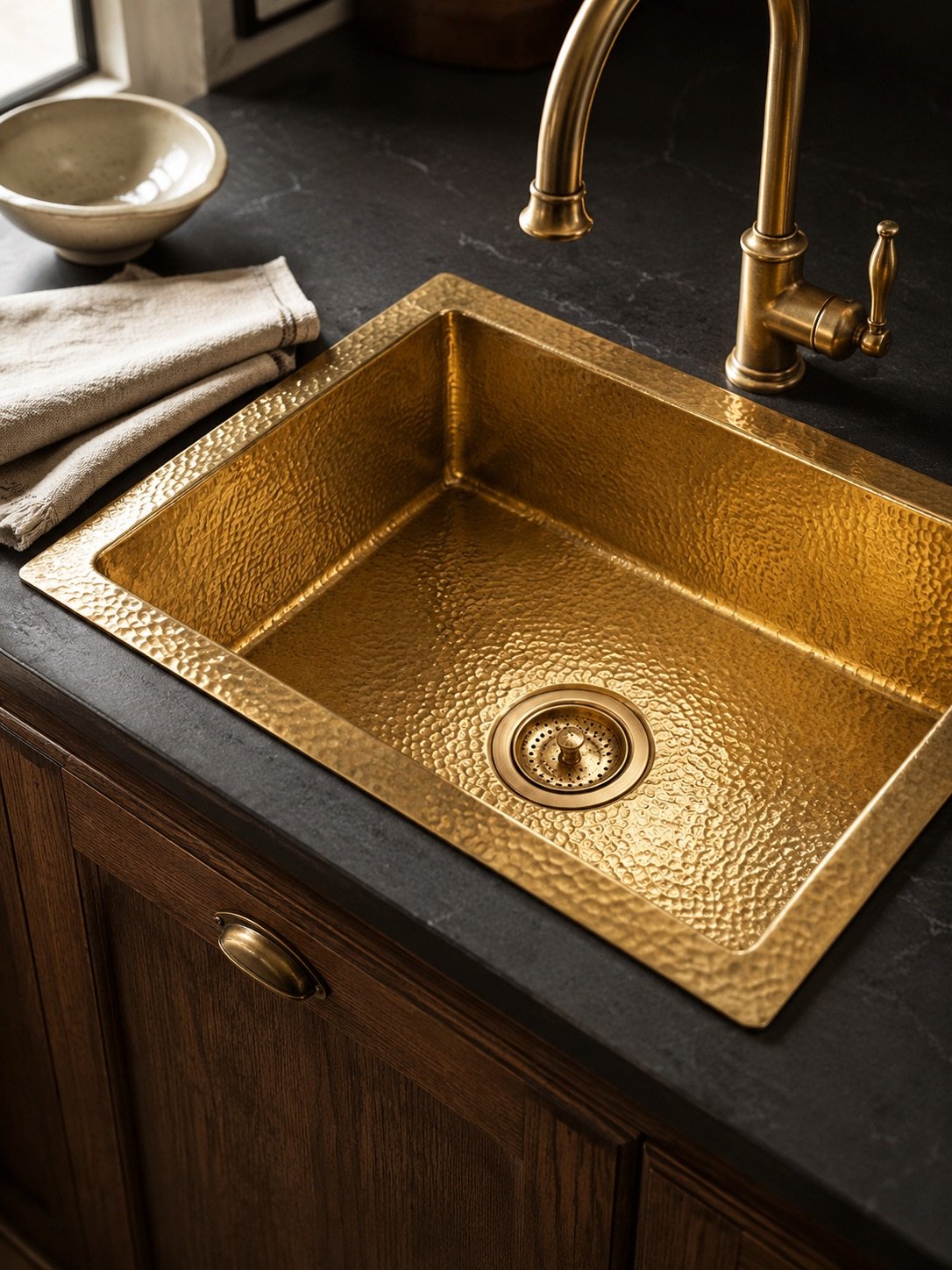
Handmade hammered brass bar sink in a compact kitchen counter

A compact hammered brass sink adds function and warmth without using excessive counter space.

What Is a Bar Sink?

A bar sink is a smaller secondary sink installed away from the primary kitchen sink. It may also be described as a prep sink, secondary sink or wet bar sink, depending on its location and intended use.

Unlike a full-size kitchen sink designed to hold large cookware, a bar sink is intended for quick, everyday tasks. Its compact footprint makes it suitable for apartments, narrow kitchens, guest areas, kitchen islands and rooms where space must be used carefully.

A well-positioned secondary sink can also help separate activities. One person can use the main kitchen sink while another prepares fruit, rinses glassware or fills a water container at the smaller station.

How to Choose the Right Bar Sink Size

Start by measuring the cabinet and countertop rather than selecting a sink based only on its appearance. The external dimensions must fit the available surface, while the bowl, drain and plumbing need sufficient clearance inside the cabinet.

Compact round bar sinks are commonly available in diameters from approximately 8 to 16 inches, or 20 to 40 cm. A smaller size may be suitable for occasional rinsing, while a wider and deeper bowl provides more room for food preparation and glassware.

  • 8–10 inches or 20–25 cm: suitable for very compact counters and light use.
  • 12 inches or approximately 30 cm: a balanced option for many small kitchens and beverage stations.
  • 14–16 inches or 35–40 cm: provides more working space while remaining smaller than a standard kitchen sink.

Do not rely only on the advertised diameter. Ask for the outer rim measurement, internal bowl diameter, total depth and rim width. A 12-inch outer diameter will not provide a full 12 inches of usable bowl space.

You should also check the minimum cabinet width recommended by the fabricator or installer. Plumbing, water lines and the drain assembly can reduce the usable space beneath the sink.

How Deep Should a Small Bar Sink Be?

A deeper bowl helps contain splashes and provides more room for rinsing. However, an excessively deep sink can reduce storage underneath and may feel uncomfortable if the countertop is already high.

Many compact handmade bowls have a depth of approximately 5–7 inches, or 13–18 cm. The best depth depends on the bowl diameter, countertop height and intended use. Confirm these details with your installer before ordering.

Best Materials for Small Bar Sinks

Solid Brass

A solid brass bar sink offers a warm golden tone that works especially well with natural stone, marble, quartz, dark timber and traditional cabinetry. A hammered interior reflects light and makes the sink visually interesting without requiring decorative accessories around it.

Unlacquered brass develops a living patina. This means the colour gradually changes through exposure to air, water and regular handling. Buyers who prefer an evolving, aged finish often see this as part of the material’s appeal.

Copper

Copper is another popular choice for artisan sinks. It begins with a warm reddish-brown colour and can develop deeper variations over time. Hammering creates texture and helps each handmade bowl look individual.

As with unlacquered brass, buyers should expect the finish to change naturally. Ask whether the copper is sealed, waxed or intentionally left unlacquered because this will affect its appearance and care requirements.

Stainless Steel

Stainless steel has a contemporary appearance and is generally straightforward to coordinate with kitchen appliances. It can be a practical choice when low-maintenance function is more important than an artisan or decorative finish.

Ceramic and Fireclay

Ceramic and fireclay sinks provide a clean, bright look and are available in many colours. Their weight, edge protection and installation support should be considered carefully, particularly in small or custom cabinets.

Why Consider a Handmade Moroccan Bar Sink?

Handmade production allows the sink to become more than a standard plumbing fixture. Skilled artisans can create individual hammered surfaces, subtle texture and finish variations that are difficult to reproduce through uniform factory production.

Moroccan metalworking traditions are strongly associated with Fez, a city known for its historic craft culture. The wider cultural importance of the city is documented in UNESCO’s Medina of Fez overview.

A handmade sink may also offer more flexibility in diameter, depth, rim design, drain opening and finish. This is valuable when working with a narrow cabinet, an unusual countertop or a renovation where standard sizes do not fit correctly.Small round brass sink installed in a modern wet bar

A round undermount sink keeps the countertop open and creates a refined preparation area.

Drop-In or Undermount Bar Sink?

Drop-In Installation

A drop-in sink rests on the countertop with the rim visible above the surface. This installation can highlight a decorative brass or copper rim and may simplify the countertop cutout compared with some undermount installations.

The visible edge can become part of the design, particularly when the sink has a wide, hammered or carefully finished rim.

Undermount Installation

An undermount sink is installed beneath the countertop. It creates a clean transition between the counter and bowl and allows crumbs or water to be wiped directly into the sink.

Undermount installation requires suitable countertop material, reliable support and an accurate cutout. Natural stone, quartz and other solid surfaces are commonly considered, but final suitability should be confirmed by the countertop professional.

Check the Drain and Faucet Before Ordering

The sink, drain, countertop and faucet must work together. Ask for the drain opening diameter and confirm whether a compatible strainer or drain assembly is included.

Compact bar sinks may use different drain sizes depending on their design and intended purpose. Never assume that a standard kitchen drain will fit every handmade bowl.

Faucet reach is equally important. The water stream should fall comfortably into the bowl rather than landing on the rim or too close to the front. A faucet that is too tall may create splashing in a shallow sink, while a short spout may not provide enough working space.

Send the sink specifications to your countertop fabricator and plumber before the opening is cut. A physical template or confirmed technical drawing is preferable when the sink is handmade.

Styling a Brass or Copper Bar Sink

A brass sink can be paired with a matching unlacquered brass faucet for a coordinated appearance. It can also be combined with aged bronze, matte black or dark metal fixtures to create contrast.

Light marble and cream quartz make warm metals appear brighter. Soapstone, dark granite and rich wood create a deeper, more traditional atmosphere. For a quieter design, allow the sink to be the main decorative element and keep the surrounding countertop simple.

If the sink has a heavily hammered surface, consider a faucet with cleaner lines. If the bowl is smooth and minimal, a bridge-style or wall-mounted faucet can add more visual detail.

How to Care for a Handmade Metal Bar Sink

Regular gentle care will help preserve the surface without removing the natural character of the metal.

  • Clean the bowl with mild soap, warm water and a soft cloth.
  • Rinse away food residue and cleaning products promptly.
  • Dry the sink when convenient to reduce water spotting.
  • Avoid abrasive pads that may scratch or alter the finish.
  • Avoid bleach, strong acids and aggressive household chemicals.
  • Follow the maker’s instructions before applying metal polish or wax.

If the sink is unlacquered, variation and patina should be expected. Metal cleaner can alter this finish, so it should only be used when a brighter appearance is desired and the maker confirms that it is appropriate.

Custom Orders and International Shipping Advice

For a custom bar sink, provide the desired outer dimensions, internal bowl size, depth, installation style, finish and drain opening. Mention the countertop material and available cabinet width as well.

Ask for the production period and estimated transit time separately. Handmade products may require time for forming, hammering, finishing, inspection and protective packaging before dispatch.

International customers in the USA, Canada, UK, Australia and Europe should confirm the shipping method, tracking process and whether local taxes or import charges apply. Provide a valid telephone number for the carrier and inspect the package shortly after delivery.

Do not cut the countertop before checking the final sink dimensions. Minor variations can occur in handmade production, so the delivered sink or its confirmed template should guide the final cutout.

Request a Bar Sink Made for Your Space

Choose your preferred diameter, depth, metal finish and installation style. For unusual cabinets or countertop layouts, request a custom-size recommendation before placing your order.

Frequently Asked Questions About Bar Sinks

What is the best bar sink size for a small kitchen?

A sink around 10–14 inches, or 25–35 cm, can suit many compact kitchens. The correct size depends on the countertop, cabinet width, plumbing clearance and intended use.

Is a brass sink suitable for a preparation area?

A properly made brass sink can be used for rinsing, beverage preparation and other light kitchen tasks. Follow the maker’s cleaning and maintenance instructions for its specific finish.

Does unlacquered brass change colour?

Yes. Unlacquered brass naturally develops a patina through exposure to air, water and handling. The resulting colour variations are part of its living finish.

Should I choose a drop-in or undermount bar sink?

Choose drop-in installation when you want a visible decorative rim. Choose undermount installation for a cleaner countertop transition, provided the counter material and support are suitable.

Can a handmade bar sink be ordered in a custom size?

Many artisan-made sinks can be customised. Confirm the outer diameter, internal bowl size, depth, rim width, drain opening and installation style before production begins.

Handmade Moroccan mosaic garden table with geometric zellige pattern

why handmade mosaic garden tables offer unique character

Mosaic Garden Tables: Why Handmade Is Better Than Factory Made

A garden table should do more than provide somewhere to place a drink. It should suit the available space, support the way you entertain and add personality to your outdoor setting. This is where handmade mosaic garden tables stand apart from mass-produced furniture.

A handmade Moroccan mosaic table combines practical outdoor furniture with decorative craftsmanship. Individual ceramic or zellige pieces are arranged into geometric patterns, creating a tabletop with colour, texture and small variations that reflect the work of the artisan.

Factory-made tables may offer a lower initial price and immediate availability. However, buyers looking for distinctive design, flexible sizing and a stronger connection to traditional craftsmanship often find greater value in a handmade table.

Find a Table Made for Your Outdoor Space

Explore our collection of handmade Moroccan mosaic tables, available in different shapes, patterns, colours and seating configurations.

Handmade Moroccan mosaic garden table with geometric zellige pattern
Hand-arranged mosaic patterns give every garden table its own character.

What Makes a Handmade Mosaic Garden Table Different?

The main difference is the way the tabletop is created. Instead of printing or mechanically repeating a surface pattern, an artisan places individual pieces to form the design. The final composition develops gradually through colour selection, cutting, arrangement and finishing.

This process can produce subtle variations in tone, spacing and texture. These are not necessarily faults. They are part of the character of a genuinely handmade piece and help distinguish it from a surface designed to look identical across thousands of units.

Moroccan mosaic craftsmanship is closely associated with cities such as Fez. The cultural importance of the city can be explored through UNESCO’s Medina of Fez overview. A contemporary mosaic garden table brings part of this decorative tradition into patios, terraces, balconies and conservatories around the world.

Why Handmade Can Offer Better Long-Term Value

A Design That Does Not Feel Mass Produced

Handmade mosaic tables are created as individual objects. Even when two tables share the same pattern, small material and placement variations give each one a distinct finish. This makes the table feel more personal and helps it work as a focal point rather than ordinary background furniture.

More Choice in Size and Shape

Factory furniture is normally limited to fixed dimensions. Handmade production can offer more flexibility. Depending on the design, buyers may request a round, square, rectangular or oval tabletop, along with a size that fits their garden more accurately.

Customisation is especially valuable for narrow terraces, small urban balconies, covered patios or large outdoor dining areas where standard dimensions may waste space or restrict movement.

Greater Control Over Colours and Patterns

A made-to-order table may allow you to select colours that coordinate with your chairs, cushions, exterior walls, tiles or garden planting. Blue and white can create a Mediterranean atmosphere, while terracotta, green, cream and black can produce a warmer or more traditional look.

Always ask what level of customisation is available. Some patterns can be recoloured easily, while highly detailed designs may need to retain certain contrasts so the geometry remains clear.

A Practical, Repairable Construction

A quality mosaic table is usually composed of a solid mosaic top and a separate metal base. This can make the table easier to transport, assemble and maintain. Individual surface areas may also be more practical to repair than a printed or moulded top that must be completely replaced after serious damage.

Construction quality still matters. Before ordering, confirm the tabletop materials, approximate weight, base finish, assembly method and care recommendations. Handmade does not remove the need to review technical details carefully.

Round mosaic garden table sized for four chairs on a patio
Allow enough room for chairs, movement and comfortable outdoor dining.

How to Choose the Right Mosaic Table Size for Your Garden

Begin by deciding how the table will be used. A morning coffee table has different space requirements from a table intended for regular family meals or six-person entertaining.

  • A 50–70 cm or 20–28 inch table works well for two people on a balcony or compact patio.
  • An 80–100 cm or 31–39 inch table is a practical choice for up to four people.
  • A 110–130 cm or 43–51 inch round table can accommodate approximately four to six people, depending on the chairs.
  • A 140–180 cm by 80–100 cm or 55–71 inch by 31–39 inch rectangular table suits larger dining areas.

These measurements are general planning guides rather than fixed seating guarantees. Chair width, table-base position and place settings all affect the final capacity.

Leave approximately 75–90 cm or 30–36 inches between the table edge and nearby walls, planters or railings. This gives guests enough room to pull out their chairs and move behind seated diners.

Choose the Correct Height

Standard dining tables are generally around 70–74 cm or 27.5–29 inches high. Coffee tables are lower, often around 40–50 cm or 16–20 inches. Confirm the height of your chairs before approving a custom order, particularly if you already own the seating.

Match the Shape to the Space

Round tables encourage conversation and fit naturally into many compact patios. Square tables work well in balanced spaces and against architectural lines. Rectangular tables are usually the most efficient choice for larger groups or long terraces.

Also consider the base. A central or carefully positioned base can provide more legroom, while wide support legs may reduce usable seating space. If you plan to use a parasol, ask whether the tabletop and base can include a compatible central opening.

How to Style a Mosaic Patio Table

Because a mosaic tabletop already contains pattern and colour, the surrounding furniture can remain simple. Black wrought iron chairs create a traditional garden look, while warm wood and neutral cushions soften the geometry of the mosaic.

For a coordinated setting, repeat one colour from the tabletop in chair cushions, outdoor planters or table linens. Avoid matching every element exactly. A few repeated colours will create a connected design without making the patio feel overly arranged.

In a small garden, allow the table to be the main decorative feature. In a larger setting, position it beneath a pergola, near greenery or within a defined dining area created with outdoor lighting and a weather-suitable rug.

Caring for a Handmade Mosaic Table

Routine care is usually straightforward, but instructions can vary according to the tiles, grout, sealant and metal base used by the maker.

  • Remove dust with a soft cloth or brush.
  • Clean the tabletop with mild soap, water and a non-abrasive cloth.
  • Wipe spills promptly, especially strongly coloured or acidic liquids.
  • Avoid harsh chemicals and abrasive cleaning tools.
  • Dry the metal base after prolonged exposure to moisture.
  • Use a suitable furniture cover during severe weather or long periods of non-use.
  • Protect the table from repeated freeze-and-thaw conditions unless the maker confirms it is suitable for them.

If the table will remain close to a swimming pool, the sea or in a humid climate, ask about additional protection for the metal base. A galvanised or specially treated base may be recommended to improve resistance to corrosion.

Custom Orders and International Shipping

A custom table requires more planning than an item taken directly from warehouse stock. Before production begins, confirm the shape, exact dimensions, height, pattern, colours, base style and whether you require a parasol hole.

Ask for the production lead time separately from the estimated transit time. Handmade tables are often made to order, so the complete timeline may be longer than for factory-produced furniture.

International customers should also confirm the shipping method, packaging, tracking process, delivery access and whether local duties or taxes may apply. Provide an accurate telephone number for the carrier and check that the packaged tabletop can pass through gates, stairways and other restricted areas.

For a large or highly customised order, request a written summary of the agreed specifications. This gives both the customer and the maker a clear reference before the mosaic work begins.

Create a Mosaic Table That Fits Your Garden

Choose your preferred dimensions, shape, colours and pattern, or request advice based on your seating plan and available space. A well-planned handmade table can become the practical and visual centre of your outdoor area.

Frequently Asked Questions About Mosaic Garden Tables

Are handmade mosaic garden tables suitable for outdoor use?

Many are designed for patios and gardens, but suitability depends on the tabletop materials, grout, sealant and base finish. Check the maker’s weather and maintenance guidance before leaving a table outdoors permanently.

What size mosaic table is best for four people?

A round or square table measuring approximately 80–100 cm or 31–39 inches is often suitable for four people. Chair width and base placement should also be considered.

Can I customise the colours of a handmade mosaic table?

Many handmade designs can be customised. Available options may include the main colours, border details, tabletop shape and dimensions. Confirm all changes before production starts.

Do handmade variations mean the table is defective?

Minor differences in tile tone, texture and placement are normal characteristics of artisan production. Significant structural damage, loose pieces or unstable construction should be discussed with the seller.

How should I protect a mosaic table during winter?

Clean and dry the table, use a breathable protective cover and follow the maker’s storage advice. In freezing climates, covered or indoor seasonal storage may be recommended.

Wall-mounted brass faucet installed above a handmade vessel sink

Hammered Copper Sink Buying Guide

Hammered Copper Sink Buying Guide for Luxury Bathrooms

A hammered copper sink is one of the most beautiful ways to bring warmth, texture, and handmade character into a luxury bathroom. Unlike a plain white basin or a standard metal sink, copper has a living surface that changes naturally over time, giving the bathroom a richer and more personal look.

For homeowners, designers, and renovation buyers in the USA, Canada, UK, Australia, and Europe, a handmade copper sink can become the centerpiece of a powder room, master bathroom, guest bath, vanity area, or spa-inspired interior. It works especially well with natural stone, marble, travertine, wood, brass faucets, limewash walls, and Moroccan decor.

This buying guide explains how to choose the right hammered copper sink for your bathroom, including materials, sizes, installation styles, finishes, care, styling, shipping, and custom order advice.

Planning a Luxury Bathroom Upgrade?

Choose a handmade hammered copper sink that fits your vanity, design style, and installation needs, or request a custom size for your project.

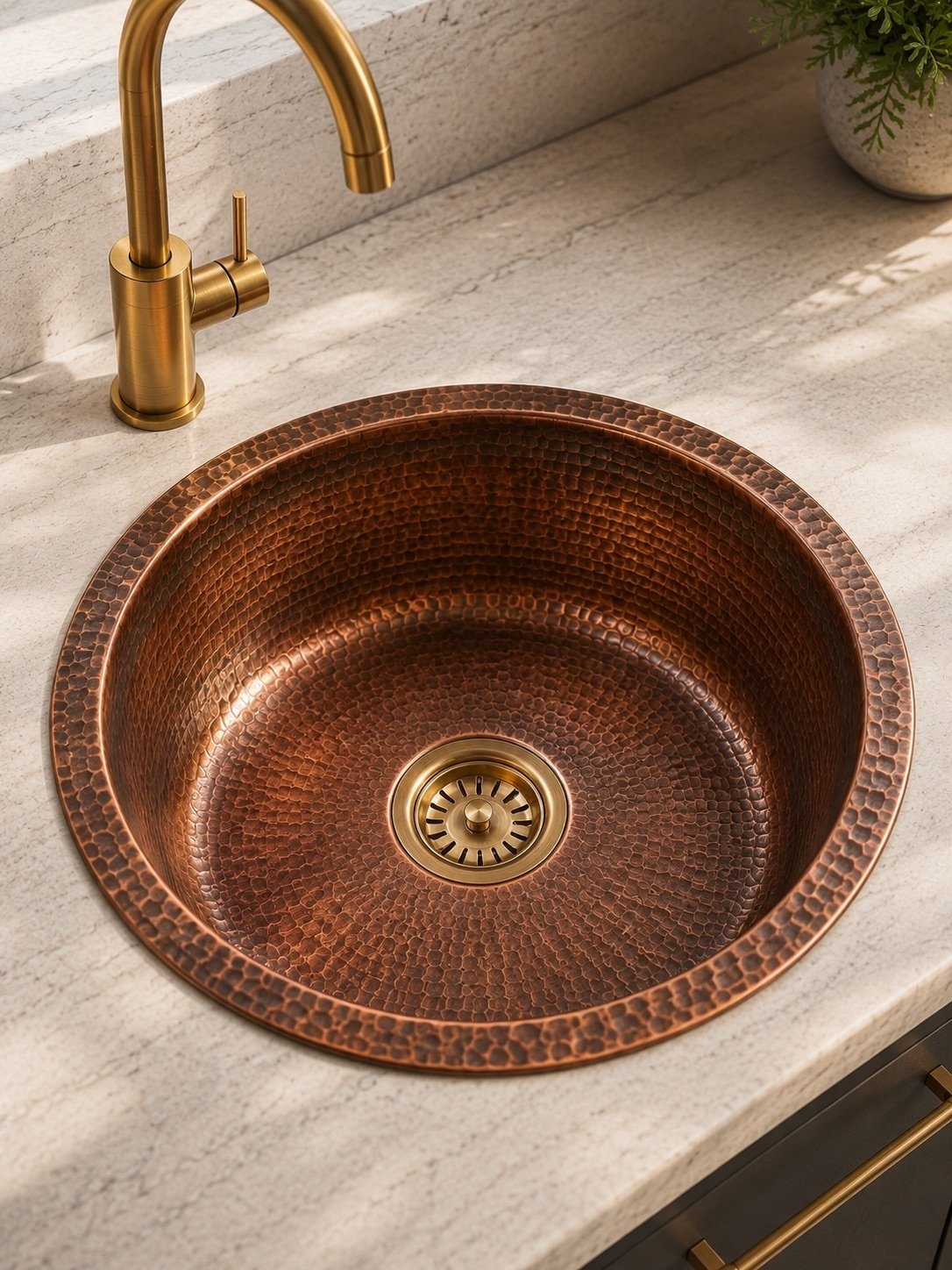
Hammered copper sink installed in a luxury bathroom vanity
A hammered copper sink adds warmth, depth, and artisan character to a luxury bathroom vanity.

Why Choose a Hammered Copper Sink?

A hammered copper sink is more than a functional bathroom fixture. It is a design feature with texture, movement, and natural color variation. The hammered surface reflects light softly, which helps the sink stand out without looking too glossy or artificial.

Copper is also loved for its warm tones. Depending on the finish, it can appear bright and polished, deep brown, antique, rustic, or softly aged. This makes it suitable for both modern luxury bathrooms and traditional interiors.

Handmade Moroccan craftsmanship adds another layer of value. Many copper sinks are shaped, hammered, and finished by skilled artisans, so each piece has small variations that make it unique. These variations are not defects. They are part of the handmade character buyers often look for when choosing artisan home decor.

Best Bathroom Styles for Hammered Copper Sinks

Hammered copper sinks are versatile, but they look especially strong in bathrooms that use natural and high-end materials. They pair beautifully with stone countertops, dark wood vanities, handmade tiles, brass mirrors, and warm lighting.

  • Luxury master bathrooms with marble, quartz, or stone vanities
  • Guest powder rooms where the sink becomes the main statement piece
  • Moroccan-inspired bathrooms with zellige, tadelakt, brass, and carved wood
  • Rustic bathrooms with wood beams, natural stone, and aged metal accents
  • Modern bathrooms needing warmth against neutral walls and clean lines
  • Boutique hotels, riads, villas, spas, and interior design projects

If you want a bathroom that feels curated instead of generic, a hammered copper sink is a smart focal point. You can explore our handmade copper sinks for bathroom vanities, powder rooms, and custom luxury interiors.

Choosing the Right Copper Sink Material

When buying a copper bathroom sink, material quality matters. Look for solid copper construction rather than a thin decorative coating. A real copper sink should have weight, depth, and a surface that can age naturally with use.

Many buyers prefer unlacquered copper because it develops a natural patina over time. This patina is part of copper’s charm. It can become darker, warmer, and more characterful depending on water, soap, air, and daily use. If you want a perfectly unchanged finish forever, copper may not be the right material. If you appreciate natural aging, it can be a beautiful choice.

Copper is also studied for its hygienic surface properties, and the Copper Development Association shares information about antimicrobial copper surfaces. For a bathroom sink, this should be understood as a material benefit, not a replacement for regular cleaning.

Vessel, Drop-In, or Undermount: Which Installation Is Best?

The right installation style depends on your vanity, countertop, and preferred bathroom look. A vessel copper sink sits above the countertop and creates a strong luxury statement. This style is excellent for powder rooms and decorative bathrooms where the sink is meant to be seen.

A drop-in copper sink sits into a countertop opening with the rim visible. It is practical, easier to install in many renovations, and works well when replacing an existing sink. An undermount copper sink is installed below the countertop, giving a cleaner and more minimal appearance.

Before ordering, confirm the installation type with your plumber or contractor. You should know the countertop material, available cabinet space, drain position, faucet placement, and whether you need overflow or no-overflow compatibility.

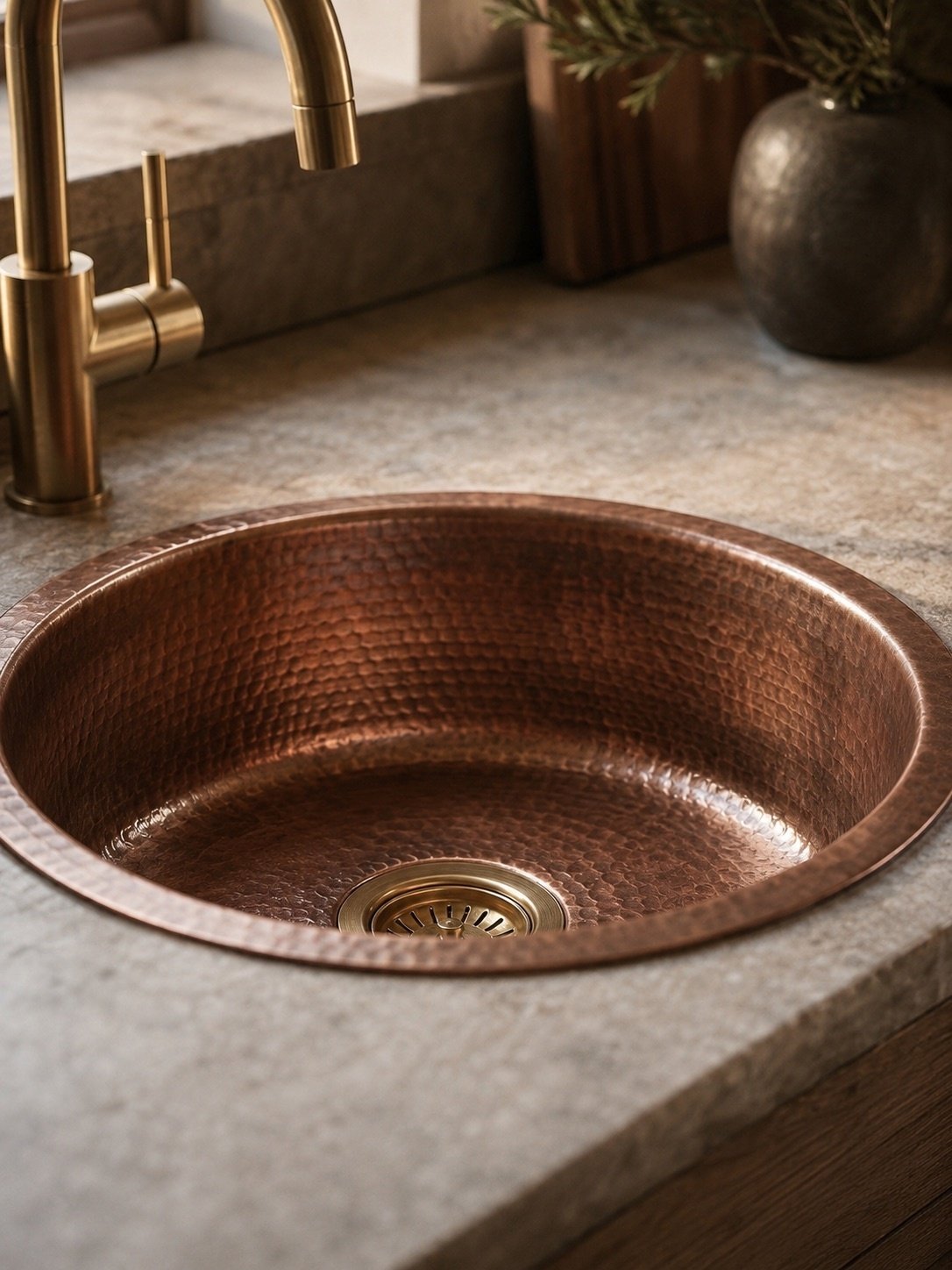
Handmade hammered copper sink with warm patina and artisan texture
The hammered texture and natural patina give each copper sink a warm handmade appearance.

How to Choose the Right Size

Size is one of the most important details when buying a hammered copper sink online. A sink that looks beautiful in photos still needs to fit your vanity, countertop, and daily use. Always measure before placing an order.

For small powder rooms, a compact vessel sink can work well because it saves counter space while still creating a strong design effect. For a master bathroom, a wider sink may feel more comfortable for daily routines. For double vanities, two matching copper sinks can create a high-end custom look.

Check the outside diameter or length, inside bowl dimensions, height, rim size, and drain opening. If your countertop is already cut, the sink must match the opening precisely. If the countertop is not yet cut, order the sink first or request exact measurements before fabrication.

Finish and Patina: What Buyers Should Expect

Copper is a living material. That means the finish can change with time, water, soap, toothpaste, cosmetics, minerals, and cleaning habits. Some areas may darken, brighten, or develop natural variation. This is normal and part of owning a real copper sink.

A bright polished copper sink feels elegant and luminous, but it may require more maintenance to preserve the shine. An antique or aged copper finish is often easier to live with because natural changes blend into the existing tone. A hammered surface also helps hide small water marks better than a perfectly smooth surface.

If you prefer a low-maintenance luxury look, choose a warm antique hammered finish. It gives the bathroom depth and character while making everyday patina changes feel natural.

Care Tips for Hammered Copper Bathroom Sinks

Copper sink care is simple when you use the right routine. Clean the sink with mild soap, warm water, and a soft cloth. Drying the surface after use can help reduce water spots, especially in areas with hard water.

Avoid harsh chemicals, bleach, abrasive pads, acidic cleaners, and strong bathroom products that may strip or unevenly change the patina. Toothpaste, lemon, vinegar, and certain cosmetics can create bright spots if left on the surface for too long, so it is best to rinse the sink after use.

If you want to preserve a more even finish, you can ask about wax or protective care recommendations. If you enjoy the natural aging process, simply clean gently and let the copper develop its own character over time.

Styling a Copper Sink in a Luxury Bathroom

A hammered copper sink looks best when the surrounding materials support its warmth. Pair it with unlacquered brass faucets for a rich artisan look, or matte black fixtures for a more modern contrast. Stone countertops such as marble, quartz, limestone, or travertine can make the copper feel elegant and grounded.

For a Moroccan-inspired bathroom, combine the sink with zellige tiles, carved wood mirrors, brass sconces, and warm neutral walls. For a contemporary bathroom, use a simple vanity, clean stone, and soft lighting so the copper remains the main feature.

Because copper already has strong color and texture, avoid overcrowding the vanity with too many decorative items. A beautiful mirror, good lighting, and a refined faucet are often enough.

Custom Order and Shipping Advice

A custom hammered copper sink is a good option when you need a specific diameter, depth, rim style, drain opening, finish, or installation type. Custom sizing is especially useful for designers, contractors, and homeowners working with unique vanities or handmade countertops.

Before requesting a custom order, prepare the key details: sink shape, outside dimensions, inside dimensions, height, installation type, faucet position, drain size, overflow requirement, finish preference, and destination country. Photos of your vanity or design inspiration can also help clarify the final look.

For international shipping, confirm production time, packing method, phone number requirement, delivery estimate, and tracking process. Handmade copper sinks should be packed carefully to protect the rim, bowl, and finish during transport. If your project has a deadline, order early so there is enough time for production and delivery.
for visite our store in etsy

Request a Handmade Copper Sink for Your Bathroom

Choose a ready design or request a custom hammered copper sink made for your vanity size, finish preference, and bathroom style.

FAQ: Hammered Copper Sinks for Luxury Bathrooms

Are hammered copper sinks good for bathrooms?

Yes, hammered copper sinks are excellent for bathrooms, especially powder rooms, guest bathrooms, and luxury vanities where the sink is part of the design statement.

Will a copper sink change color over time?

Yes. Real copper naturally develops patina with use. The surface may darken, brighten in some areas, or become richer over time depending on water, cleaning, and daily use.

How do I clean a hammered copper sink?

Use mild soap, warm water, and a soft cloth. Avoid bleach, harsh chemicals, acidic cleaners, and abrasive pads because they can affect the patina and finish.

Which faucet works best with a copper bathroom sink?

Unlacquered brass, antique brass, matte black, and warm bronze faucets all pair beautifully with copper. The best choice depends on your mirror, lighting, and overall bathroom style.

Can I order a custom hammered copper sink size?

Yes, custom sizes, shapes, finishes, and installation details are often possible. Share your vanity measurements, installation type, drain needs, and preferred finish before ordering.

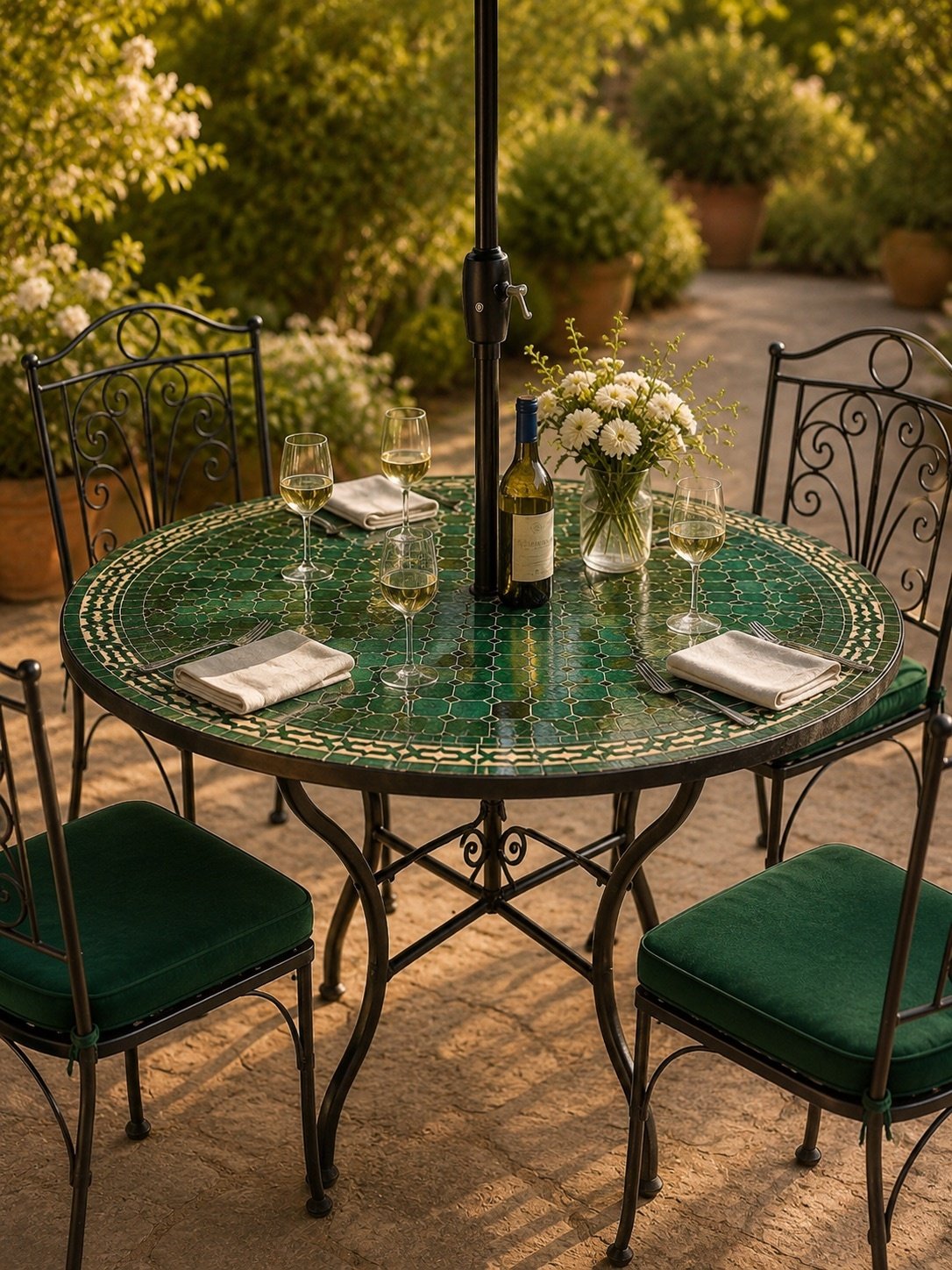
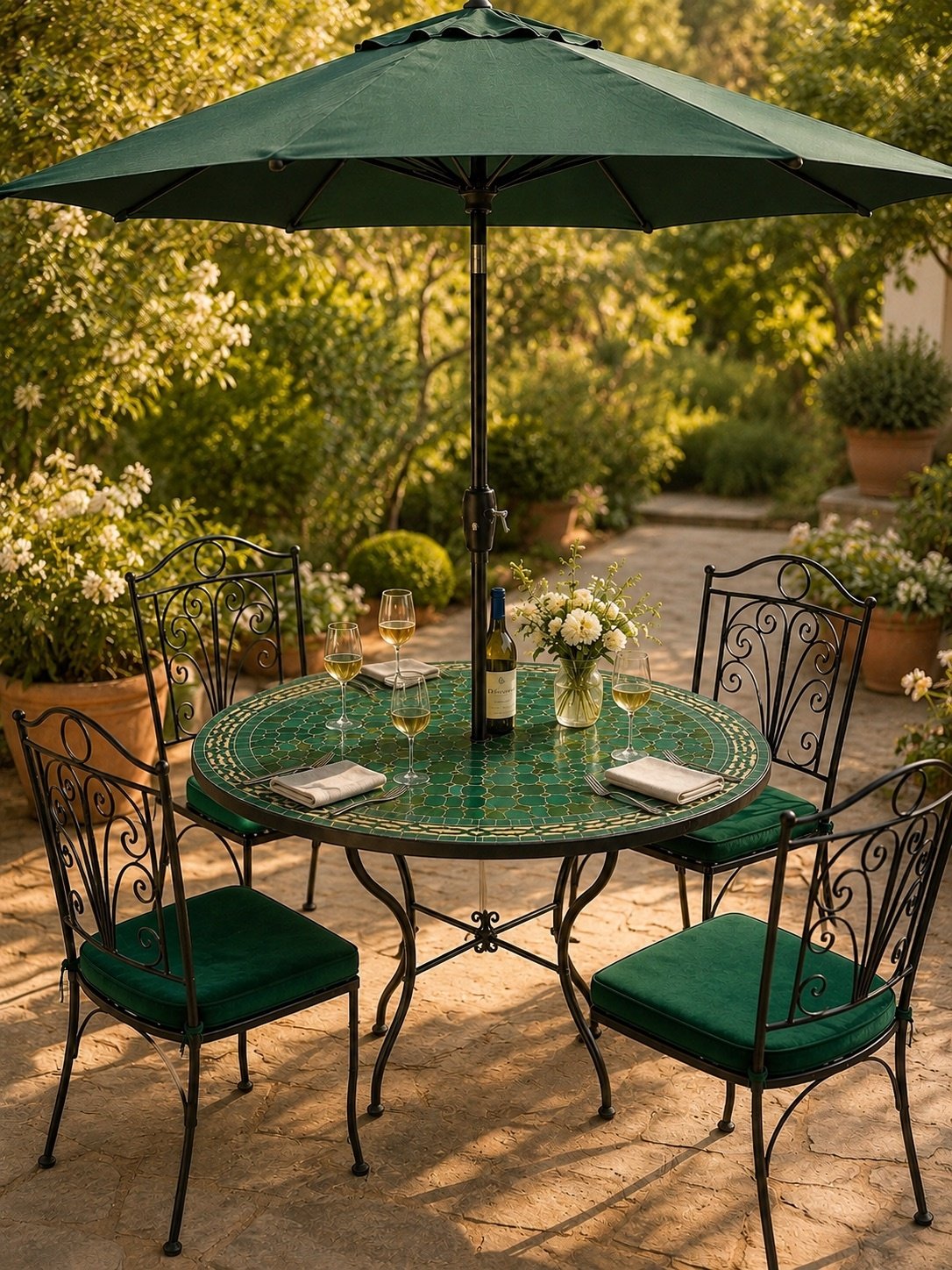
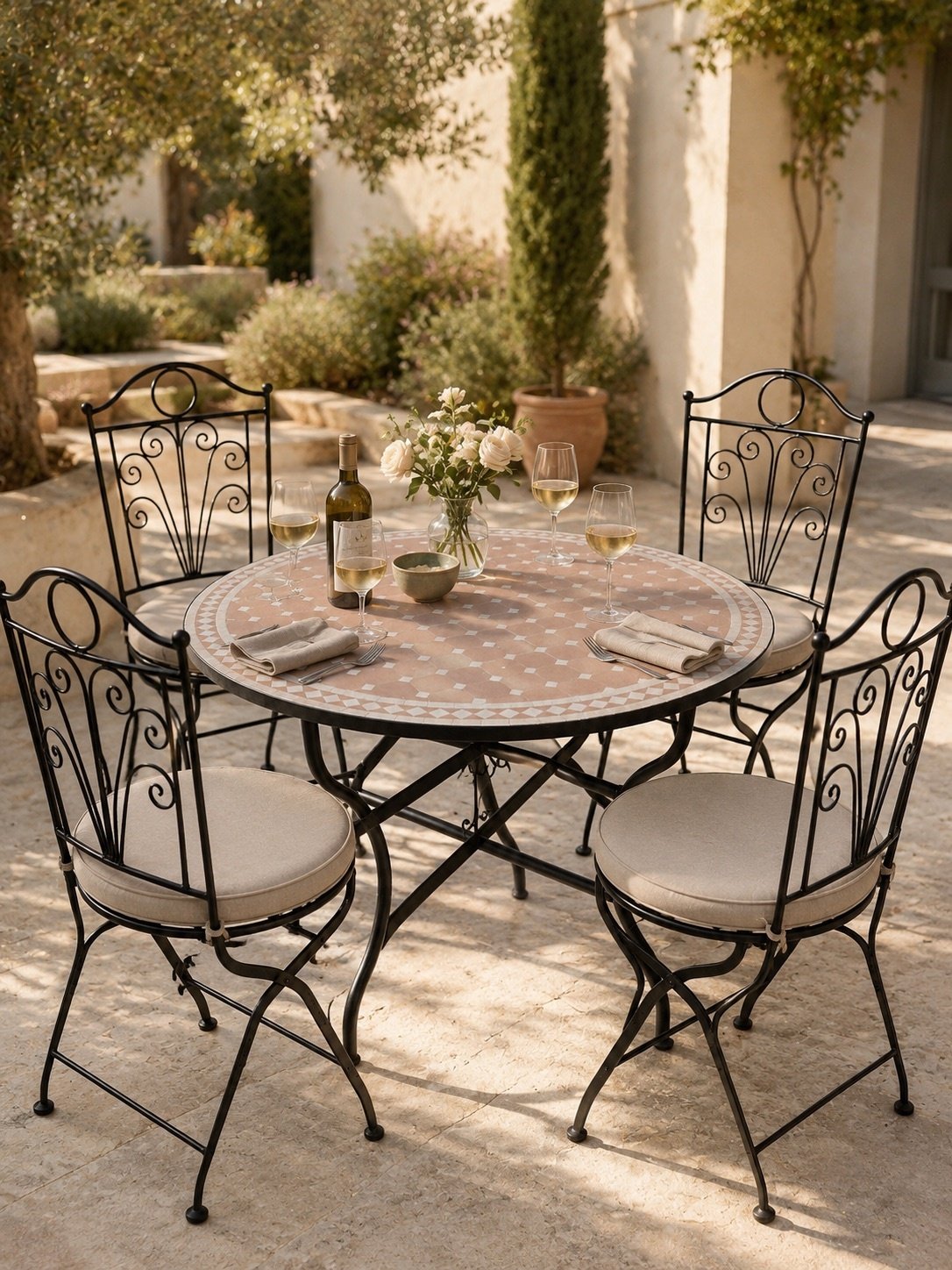
Best Moroccan Mosaic Tables for Outdoor Patios

Best Moroccan Mosaic Tables for Outdoor Patios

Best Moroccan Mosaic Tables for Outdoor Patios

A Moroccan mosaic table can turn an ordinary outdoor patio into a warm, colorful, and inviting living space. Whether you are styling a garden corner, balcony, poolside area, terrace, or covered porch, these handmade tables bring character that feels both timeless and practical.

For customers in the USA, Canada, UK, Australia, and Europe, Moroccan mosaic patio tables are especially popular because they combine decorative beauty with real everyday use. They work as coffee tables, bistro tables, dining tables, plant stands, side tables, or statement pieces for outdoor entertaining.

The best Moroccan mosaic tables are not only beautiful. They are well sized, carefully finished, easy to style, and chosen with the right outdoor conditions in mind. This guide will help you understand what to look for before buying, how to choose the right size, and how to care for your table so it stays beautiful season after season.

Looking for a Handmade Outdoor Mosaic Table?

Explore authentic handmade Moroccan mosaic tables crafted for patios, gardens, balconies, and custom outdoor spaces.

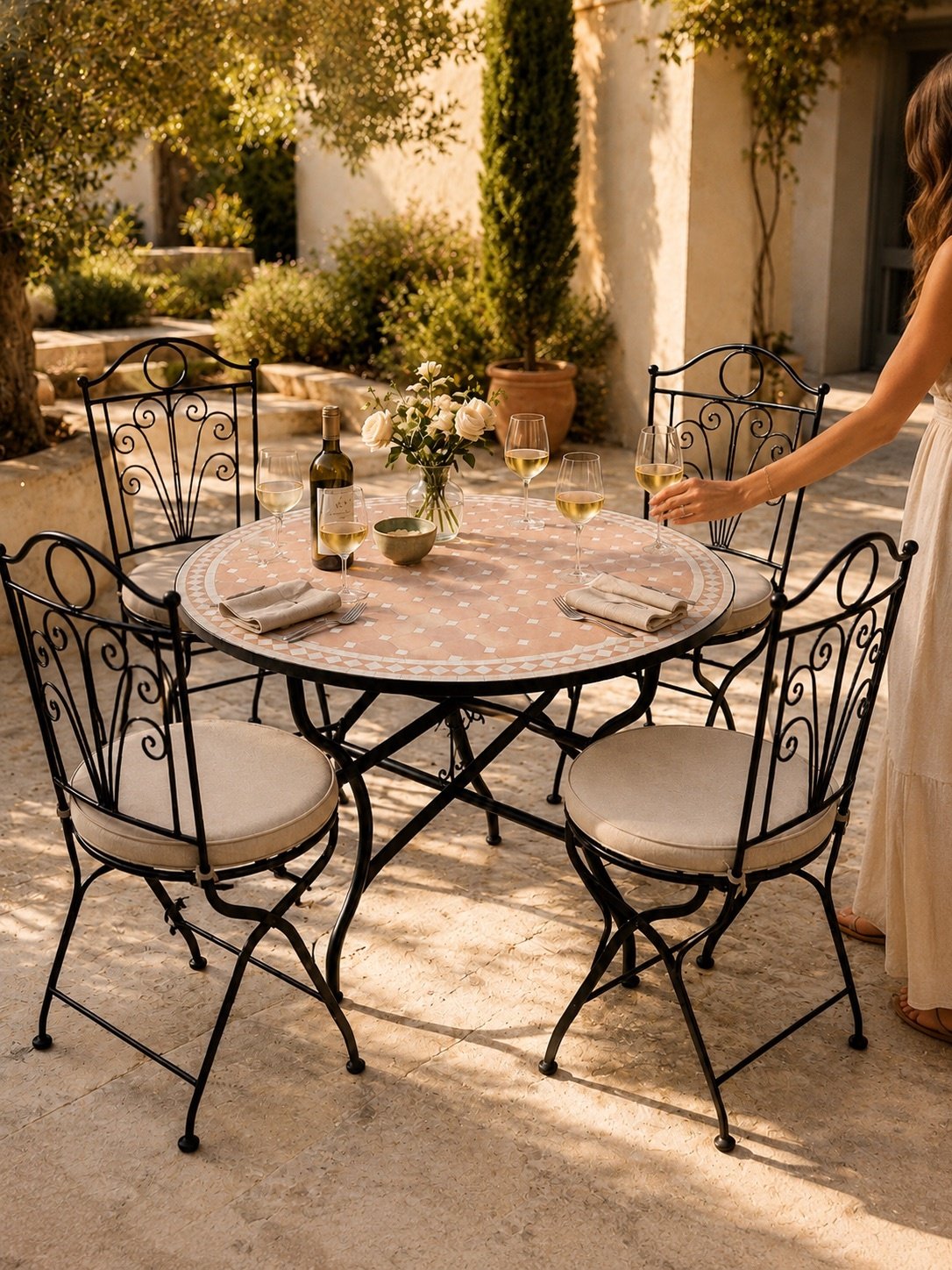
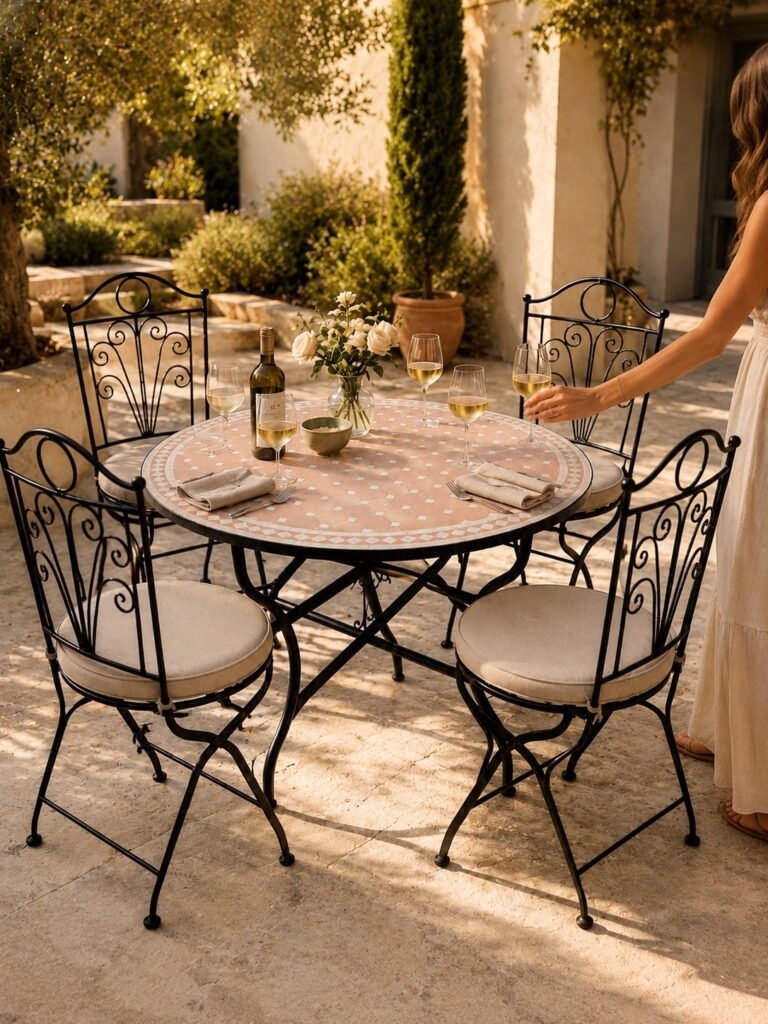
Handmade Moroccan mosaic table styled on a sunny outdoor patio
A Moroccan mosaic table adds color, pattern, and artisan character to an outdoor patio.

Why Moroccan Mosaic Tables Are Perfect for Outdoor Patios

Moroccan mosaic tables are designed around pattern, color, and craftsmanship. Each table top is built from small pieces of tile arranged by hand into geometric designs, floral-inspired patterns, star motifs, or traditional Moroccan layouts. This gives every table a rich surface that feels artistic without being fragile or only decorative.

Outdoors, this matters. A plain patio can feel cold or unfinished, especially when it uses neutral stone, concrete, wood, or simple metal furniture. A mosaic table adds a strong focal point while still being useful for coffee, tea, meals, candles, books, plants, or summer gatherings.

These tables also match many design styles. They can work beautifully with Mediterranean decor, bohemian patios, coastal homes, farmhouse gardens, modern terraces, riad-inspired spaces, and classic European courtyards. The key is choosing the right color palette and size for your space.

What Makes a Good Outdoor Moroccan Mosaic Table?

A good outdoor Moroccan mosaic table should balance beauty, stability, and practical use. The mosaic top should feel solid, the pattern should be well arranged, and the base should support the table comfortably. Many traditional designs use a metal base, often with elegant curves or wrought iron-inspired detailing, which gives the table a handcrafted look and reliable structure.

For outdoor use, pay attention to three important elements: the mosaic surface, the base material, and the finish. A table used under a covered patio may need less protection than a table placed in full sun, heavy rain, salty air, or near a pool. If your climate is humid, coastal, snowy, or very rainy, ask about protective options before ordering.

Handmade Moroccan craftsmanship is part of the value. Slight handmade variations can appear in the tile placement, finish, or dimensions. These details are normal in artisan work and help make each table unique rather than mass produced.

Best Uses for Moroccan Mosaic Tables Outdoors

Moroccan mosaic tables are flexible, which makes them useful for many types of outdoor spaces. A small round table can create a charming bistro setup on a balcony. A medium table can anchor a patio seating area with four chairs. A larger table can become a dining centerpiece for family meals, garden parties, or relaxed outdoor entertaining.

  • Balcony bistro table for morning coffee or evening tea
  • Garden side table beside lounge chairs or benches
  • Outdoor dining table for patios and terraces
  • Poolside accent table for drinks, towels, or decor
  • Covered porch table for plants, lanterns, and seasonal styling
  • Statement table for hotels, restaurants, riads, and boutique spaces

If you want a table that feels special but still works for daily life, a Moroccan mosaic patio table is a strong choice. You can browse our handmade Moroccan mosaic tables to find designs suitable for outdoor patios, gardens, and custom spaces.

Choosing the Right Size for Your Patio

Size is one of the most important decisions when buying a mosaic patio table. A table that is too small may look lost in a large outdoor area, while a table that is too large can make chairs difficult to move around. Before ordering, measure your available space and leave enough room for comfortable movement.

For a small balcony or compact patio, a round table around 50 to 60 cm can work well as a coffee or bistro table. For two people, 60 to 70 cm is often more comfortable. For four chairs, many customers prefer 80 to 100 cm depending on the chair size and how the table will be used. For larger outdoor dining, custom sizes can be requested.

Height also matters. Coffee table height is better for lounge seating, while dining height is better for chairs. If you already have chairs, measure the seat height and compare it with the table height before ordering.

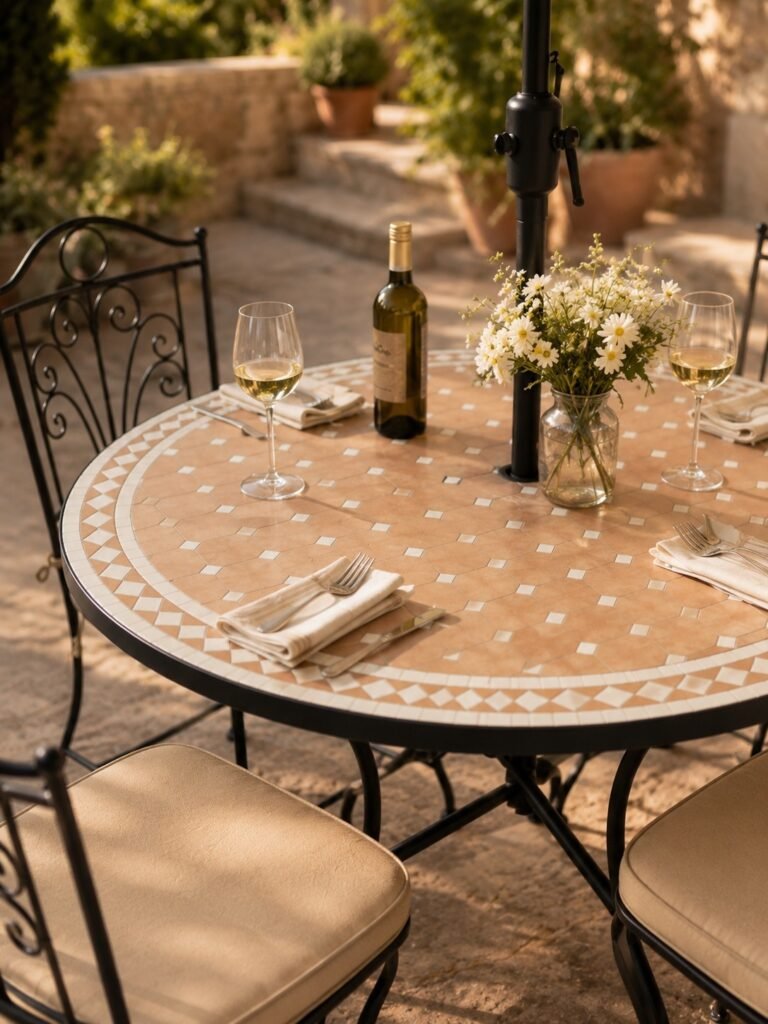
Round Moroccan mosaic patio table with colorful geometric tile detail
Hand-laid mosaic details make each Moroccan patio table unique in color, rhythm, and character.

Popular Colors and Styling Ideas

Color is where Moroccan mosaic tables become exciting. Blue and white tables feel fresh near pools, coastal homes, and bright terraces. Green mosaic tables look beautiful in gardens and plant-filled patios. Black and white designs feel more classic and elegant, especially with metal chairs and neutral cushions. Warm colors such as terracotta, yellow, orange, and red can make a patio feel sunny and lively.

For a calm luxury look, match the table with cream cushions, black metal chairs, clay planters, and warm outdoor lighting. For a colorful Moroccan-inspired space, layer the table with patterned cushions, brass lanterns, woven baskets, and potted plants.

If your patio already has strong colors, choose a mosaic table that repeats one or two of those tones. If your outdoor space is neutral, the table can become the main decorative feature.

Materials and Craftsmanship to Consider

Traditional Moroccan mosaic tables are often made with ceramic or zellige-inspired tile pieces set into a round, square, or rectangular top. Zellij has a long history in Moroccan architecture, and institutions such as The Metropolitan Museum of Art describe Moroccan interiors with fine examples of Moroccan zellij tilework.

For patio furniture, the quality of assembly is important. The tiles should be arranged securely, the grout should be clean, and the table should feel stable when placed on a flat surface. The base should match the size and weight of the top. A small bistro table may use a lighter base, while a large dining table needs stronger support.

Because these pieces are handmade, each order can carry small differences in pattern, shade, or finish. This is part of the charm of artisan decor, especially when compared with factory-made outdoor furniture.

Care Tips for Outdoor Mosaic Tables

Moroccan mosaic tables are practical, but they still deserve proper care. Clean the surface with a soft cloth, mild soap, and water. Avoid harsh chemicals, abrasive pads, or acidic cleaners that may affect the grout or finish. Wipe spills when possible, especially wine, lemon, vinegar, oil, or strongly colored sauces.

If the table is used outdoors all year, consider using a breathable furniture cover during long rainy periods, snow, or extreme weather. In cold climates, it is better to move the table to a covered area during freezing conditions. This helps protect the grout and tile surface from unnecessary stress.

For coastal homes, pool areas, or very humid climates, ask about base protection and finishing options. A galvanized or protected metal base can be a smart upgrade when the table will face moisture regularly.

Custom Orders: When to Request One

A custom Moroccan mosaic table is ideal when you need a specific size, color combination, pattern, or chair pairing. Custom orders are especially useful for outdoor dining sets, hotel terraces, restaurants, large patios, or customers who want the table to match existing cushions, tiles, doors, or garden decor.

Before requesting a custom order, prepare the most important details: table shape, diameter or dimensions, desired height, main colors, preferred pattern style, number of chairs, and where the table will be used. If the table will be placed outside, mention whether the space is covered or exposed to rain and sun.

For best results, share clear photos of your patio, inspiration images, or color references. This helps the artisan understand the style you want and recommend the right combination.

Shipping Advice for International Customers

For customers in the USA, Canada, UK, Australia, and Europe, handmade mosaic tables should be packed carefully for international shipping. Because these are heavy artisan items, shipping time can depend on size, destination, production schedule, and shipping method.

When ordering, confirm the production time, shipping method, estimated delivery window, phone number requirement, and whether tracking becomes active immediately or later in the shipping process. Large handmade furniture may require more careful packing and handling than small decor items.

If you need the table for a specific event, renovation, restaurant opening, or seasonal patio setup, order early. Handmade production takes time, and rushing can affect planning. It is always better to ask questions before placing the order than to discover a size, color, or shipping issue later.

Ready to Create Your Outdoor Patio Setup?

Choose a ready design or request a custom Moroccan mosaic table made for your patio size, color palette, and outdoor use.

FAQ: Moroccan Mosaic Tables for Outdoor Patios

Are Moroccan mosaic tables suitable for outdoor use?

Yes, many Moroccan mosaic tables can be used outdoors, especially on patios, terraces, balconies, and covered garden areas. For exposed outdoor use, ask about protective finishes and base options.

What size mosaic table should I choose for four chairs?

For four chairs, many customers choose a medium round table, often around 80 to 100 cm, depending on the chair style and available patio space.

How do I clean a Moroccan mosaic patio table?

Use a soft cloth with mild soap and water. Avoid harsh cleaners, abrasive pads, and acidic products. Wipe spills quickly to help protect the grout and finish.

Can I order a custom color or pattern?

Yes, custom colors, sizes, and patterns are often possible. Share your preferred dimensions, main colors, outdoor location, and inspiration photos for the best result.

Do handmade mosaic tables have small variations?

Yes. Small variations in color, tile placement, pattern details, or dimensions are normal in handmade Moroccan craftsmanship and make each table unique.

0
Back to Top

Search For Products

Product has been added to your cart